
Working with governmental agencies to build new facilities requires a partner invested in the outcome. We sat down with Layton leadership to get insight on what it means to build for these clients and the lessons our teams have learned along the way.
Our Civic Duty: Knowing our Audience
Few projects garner more attention than those directly funded by taxpayers.
Within municipal and county facilities, residents access vital services, engage with elected officials, and build community. While the approval process can span years and multiple administrations, the public stays invested.
“Predictability from the start is critical on municipal and governmental work, as the eyes of the community are focused on the end results,” said Layton Executive Vice President Jeff Palmer. Plus, a new public facility “fosters more community pride than a generic office building people may never step foot in.”
These projects reflect the elected officials who campaigned for them and the representatives responsible for funding them. Having partnered with over 60 cities and counties, Layton knows the value of championing the public perspective, fostering effective communication, and maximizing every dollar spent.
1. Engage early, collaborate, and make the process as seamless as possible.
The overarching goal for any municipal or county project is always the same: serve the public. Whether it’s a recreation center, city hall, or county jail, the function and layout must meet the community’s needs.
Layton engages early—often years early—meeting with officials to help them understand delivery methods, material options, and what to look for when selecting an architect. Our project teams add value because they’ve participated in hundreds of meetings on building siting, sustainability, material durability, security, and cost impacts.
“I can’t overstate the importance of having experienced builders who’ve been through this process,” Palmer explains. “These conversations allow us to share lessons learned on what works and what doesn’t.”
“Some of the most critical project decisions are made before construction begins,” said Scott Henderson, Provo City Recreation Division Director. “[Layton] assisted us before we went out for bond election and walked me through the different options. This allowed us to look for value-added features and deliver a design completely unique to our project.”
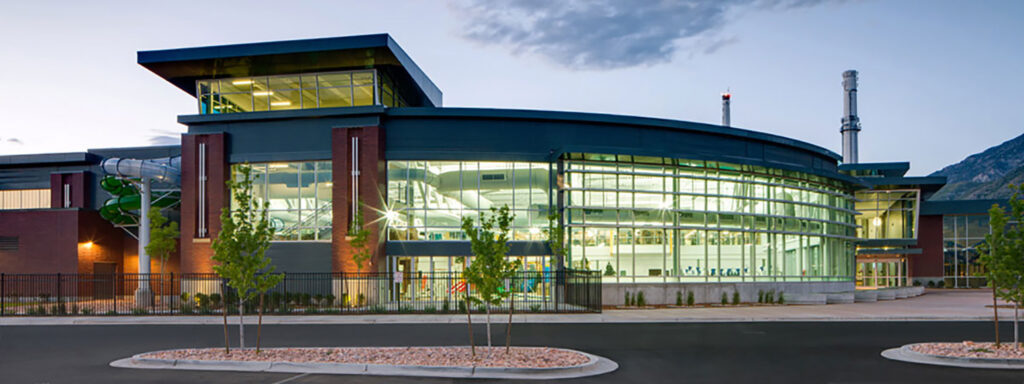
Provo Community Recreation Center
Collaboration doesn’t stop with the client. “We work arm in arm with architects and engineers to maintain design intent,” says Palmer. “Our purpose is to facilitate discussions so budget, schedule, and material implications are understood and agreed to.” Once a decision is made, it’s difficult for officials to go back to their boards for approval on changes.
2. Transparency Is Non-Negotiable
Being transparent is crucial to ensuring accountability and maintaining public trust.
“The approval process on a publicly funded project is entirely different,” said Layton Executive Vice President Tyler Dillon. “Certain decisions have to be taken to the public or council for approval. As the contractor, we don’t have the luxury of time to resolve issues as they come up. We keep thorough records, perform extensive constructability reviews, and anticipate scenarios that would require decisions up front so elected officials can share information with the public.”
Transparency also enables the public to monitor progress. When people have access to information about decision-making, budget allocations, and project performance, it enhances confidence in their local leaders.
“If you don’t have a construction team that understands how to work with the public process, it can really derail a project,” Dillon adds.
3. Build for the Long Haul
While controlling the budget is always top of mind, thoughtful selection of efficient systems and durable materials is vital. These buildings need sustained usage and cost-effective operation.
A community recreation center, for example, is meant for frequent and heavy use. Even basic materials must be analyzed for durability, functionality, and safety. Mechanical systems require meticulous evaluation—they must be efficient, easy to maintain, and compliant with local energy codes.
Governmental buildings are also susceptible to various threats. Whether from acts of terrorism or natural disasters, these structures must be properly designed and hardened.
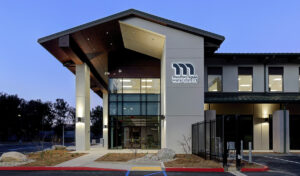
“Any utility hub or administrative project that serves the public needs to withstand almost anything so it can continue operating during a crisis,” Dillon says. “During preconstruction of the Moulton Niguel Water District facility, we focused heavily on proper material selection. During construction, our focus shifted to rigorous quality control—not only to make sure everything was easy to maintain but that it was properly installed to withstand potential threats.”
Finding the optimal balance among all variables is essential, and Layton works with public clients to offer a range of options that meet their needs and preferences.
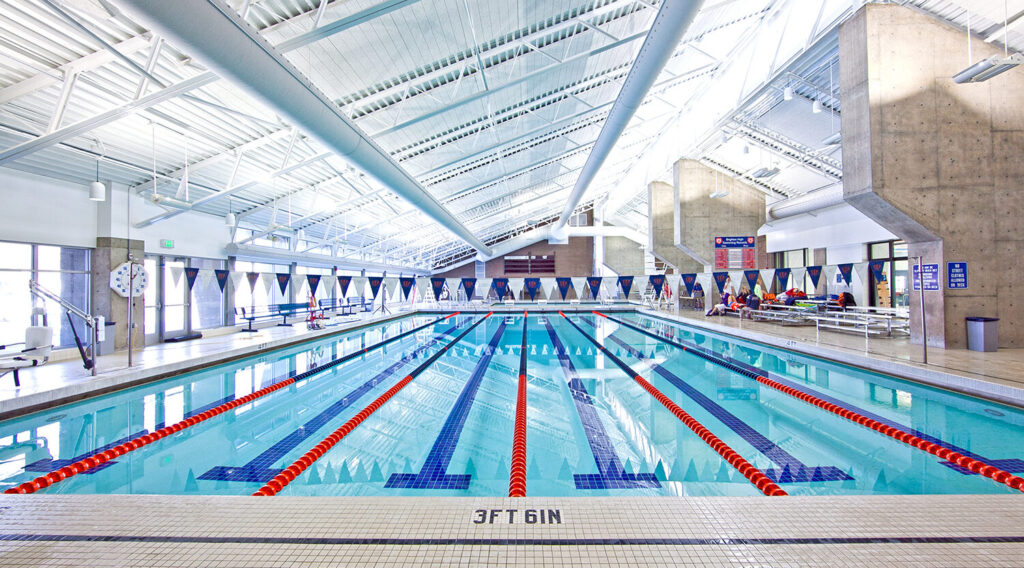
Cottonwood Heights Community Recreation Center
4. Maintain Flexibility and Account for Multiple Uses
With any governmental project, we carefully consider the diverse uses each building will fulfill and the level of security each will demand.
“City halls aren’t just everyday office buildings,” Palmer suggests. “They serve multiple functions, and each function can require vastly different materials.”
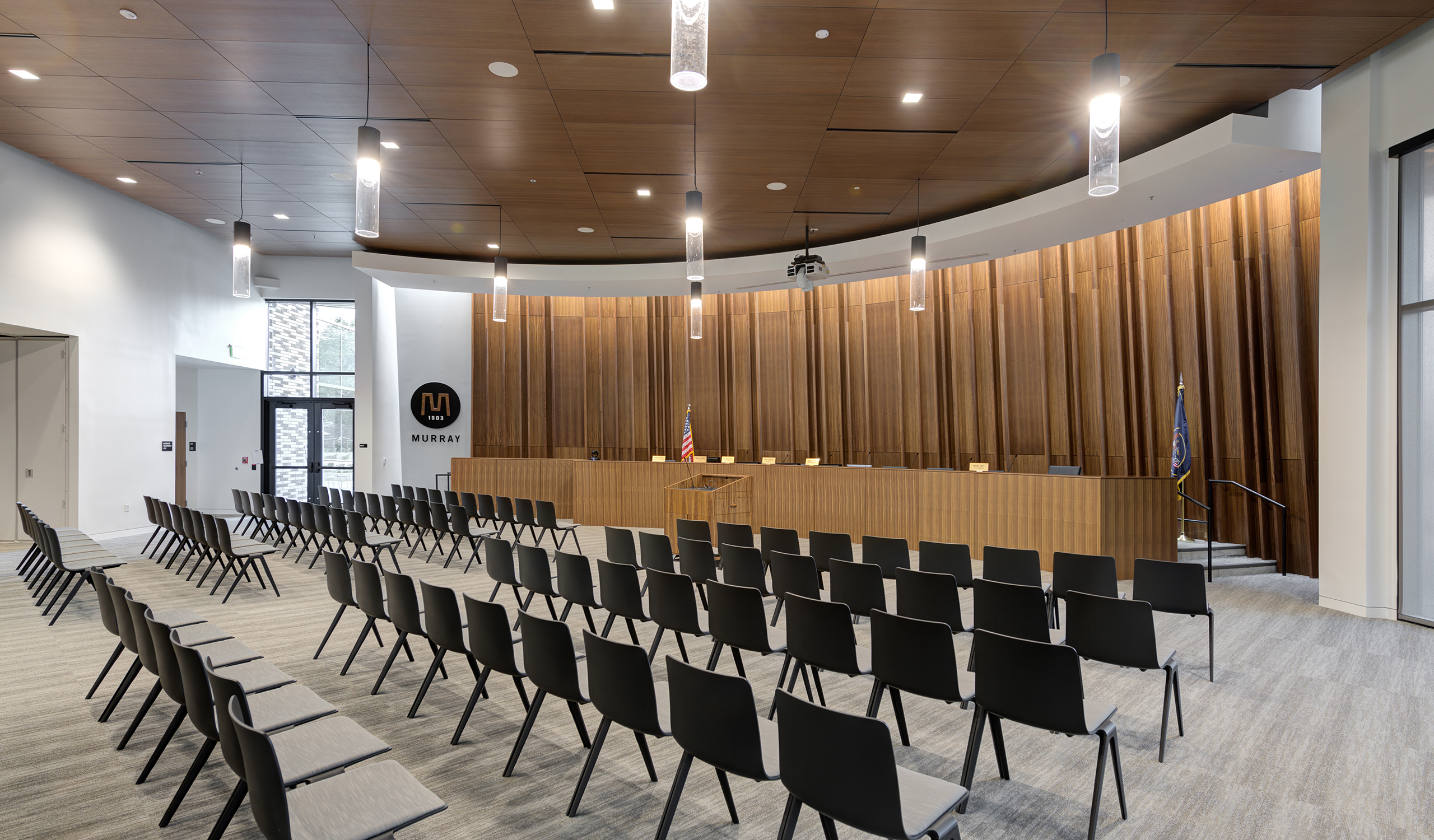
The overall scope of a city hall includes both public and secure spaces within one building. “While completing a council chambers with fine wood finishes, we can simultaneously be installing hardened, detention-grade materials for holding cells in public safety areas,” states Palmer.
We also work with design teams to anticipate future needs, technology advancements, and changing trends. Flexible floor plans, modular construction, and adaptable infrastructure enable buildings to accommodate future changes without major renovations.

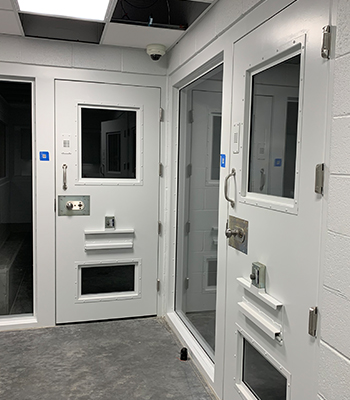
The fine wood finish work in the pressroom vs the hardened detention materials of the holding cells at West Valley City Police Department headquarters.
Putting Lessons to the Test: Provo City Center
A project in Provo, Utah tested every process we rely on. The 200,000 SF city center would house all elected officials, police and fire department staff, and almost every city employee—on a prominent corner of downtown with little laydown space and serious daily traffic.
The project site sat next door to the existing city hall, giving council members a daily front-row seat to inspect our work. Provo City Mayor Michelle Kaufusi could drop by at any moment and often did. “I [wanted] to come on site and ask questions,” she said. “[Layton] was so kind and so willing to educate me. It was a gamechanger.”
Though we didn’t break ground until April 2020, Construction Manager Brian McBeth began procuring materials well before groundbreaking. Fresh from a project affected by U.S.-China trade wars, McBeth sensed something was amiss with the supply chain.
“We reached out to our subcontractors and told them to order everything, even if we wouldn’t need it for months.” Layton ordered $1.6M worth of materials—ballistic board, paint, metal studs, drywall, electrical conduit, lockers, elevator shafts, even landscape pavers that sat in storage for over a year.
The strategy paid off. During that first year, the supply chain broke and product costs skyrocketed, some by 100 percent. “Our early procurement strategies saved the city nearly one million dollars in escalation costs,” said McBeth.
“The team maintained this delicate balance between scheduling and cost throughout the project,” said Henderson. Mayor Kaufusi added, “The best part about Layton is they understand the political world. They understood that going out for the bond is using taxpayer dollars and so every dollar counts.”
The Reward
Ultimately, Layton aims to foster collaboration, eliminate surprises, and give public clients ample information up front so they can make the right decisions for their communities. We deliver predictable outcomes to people who can’t operate in ambiguity.
“It’s very rewarding for our teams to work on these projects because so often, they’re located in their own communities and increase the overall quality of life,” Palmer reflects. Dillon agrees: “The idea that we get to be part of the public process and work on buildings that improve our own neighborhoods is really meaningful.”
“We understand that every project serves as a potential job interview for future projects,” said Palmer. “The highest compliment we receive is being invited back.”
As Layton continues to support current public clients, we look forward to partnering with communities where we’ve yet to work. After all, we take pride in building the places where we all live, work, play, and heal.
Have questions about Layton? Or have a project coming up? Check out our portfolio and or contact us to discuss.
About Layton Construction
Layton Construction is a privately held national general contractor, delivering predictable outcomes in commercial construction since 1953. Headquartered in Salt Lake City, Utah, Layton operates from 16 strategic offices across the United States, employing more than 1,700 construction professionals who serve diverse markets including healthcare, education, commercial office, industrial, hospitality, and multi-unit residential. Founded on the core values of honesty, unity, safety, and quality, Layton has built a reputation for excellence in complex project delivery while maintaining strong partnerships with clients, architects, and trade partners nationwide.
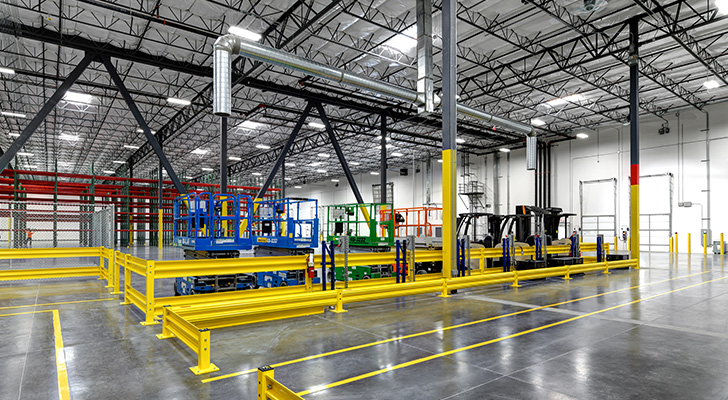
Considering the complexities of cold storage facilities, their construction demands a specialized approach and expertise. And with such a rapidly growing market, key players like Layton are primed and poised to step up.
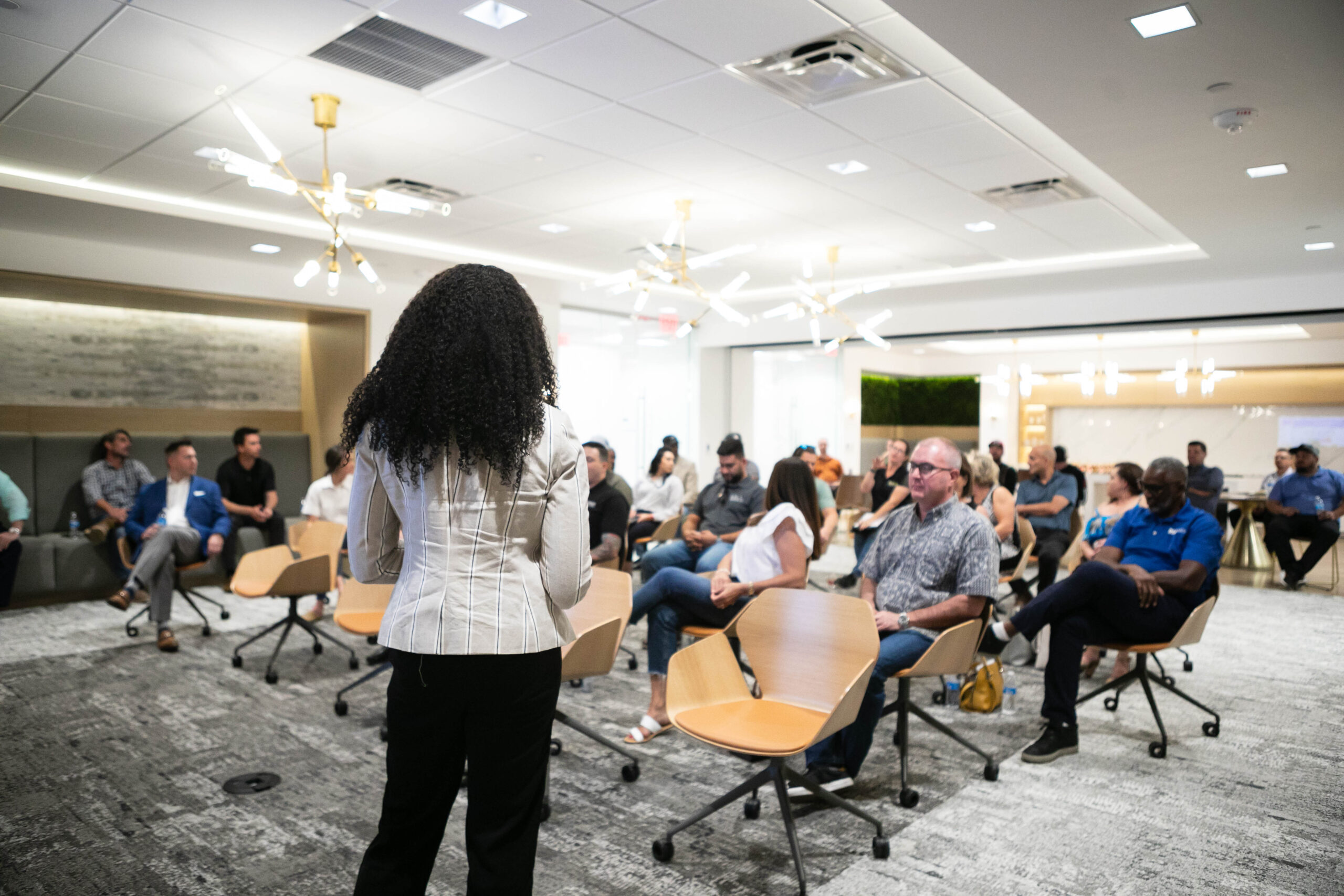
Layton depends heavily on the expertise and capabilities of our trade partners. Led by Cherelle Cortez, our Trade Partner Engagement and Development team is focused on increasing economic impact and the growth of our trade partners.